Keynote Speakers 2027
The EPA program committee is excited to offer a program of keynote addresses from outstanding researchers across the broad spectrum of psychological specialties. Be sure to join us February 25th through 27th for another exciting EPA conference featuring these lectures plus papers, posters and symposia that explore the frontier of basic science and application.
Invited Presidential Keynote: Is Conversation Magical?
Nicholas Epley, Ph.D.
John Templeton Keller Distinguished Service Professor of Behavioral Science and Faculty Director of the Roman Family Center for Decision Research
University of Chicago Booth School of Business
Applied Psychology/History of Psychology Keynote: Psych Matters: Researchers Who Changed Our Lives

Sue Frantz
Professor (Emerita) Highline College
Description: Two psychological scientists changed the course of history with one groundbreaking study—and their courage to talk about it in court. Another completely redesigned our kitchens and contributed to the success of the Apollo space program. Let’s bring the memory of these three remarkable psychological scientists into the 21st century.
Teaching of Psychology Keynote: From the Lab to the Classroom: The Four E's of Effective Learning
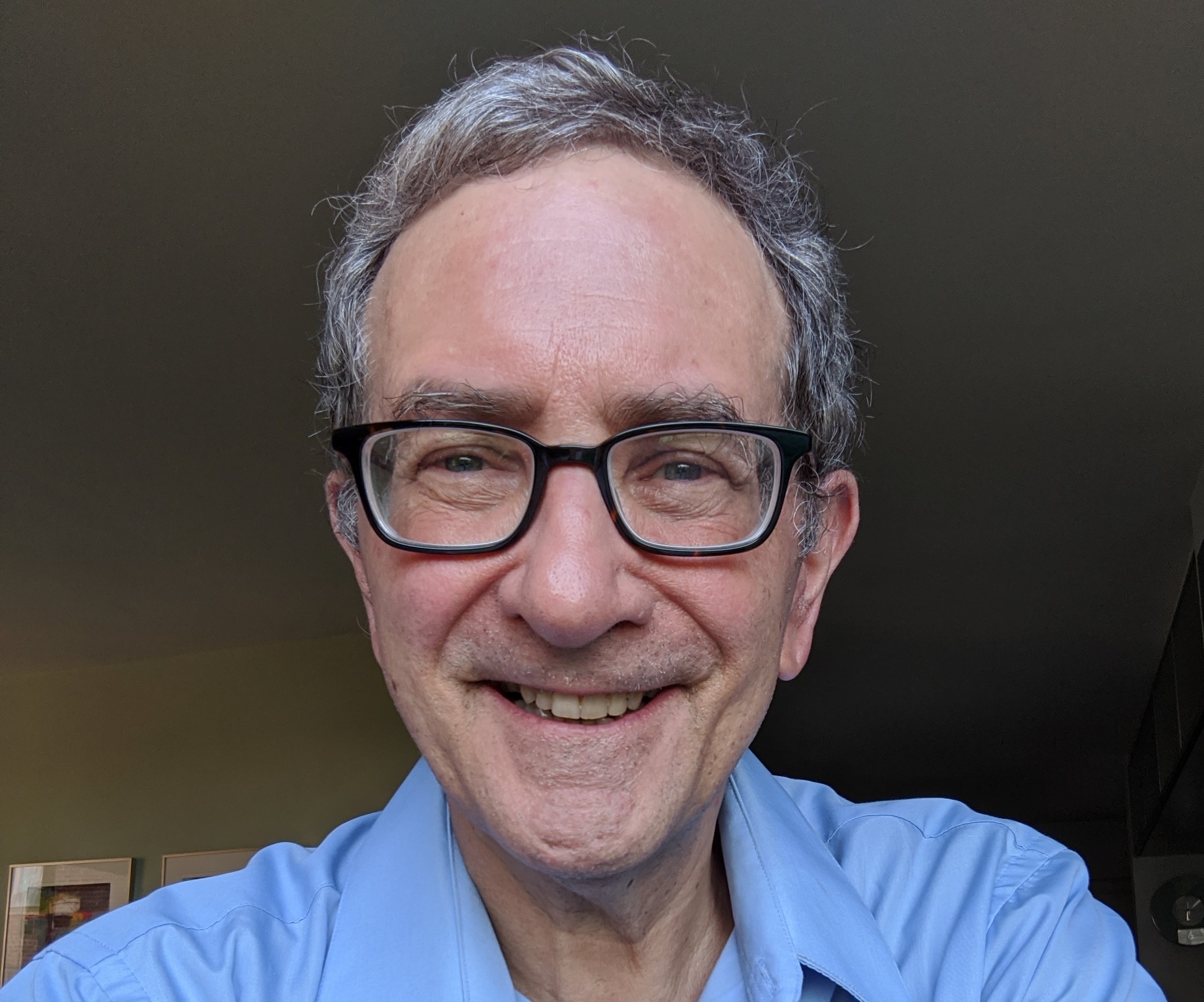
Jeff Nevid, Ph.D.
St, John's University, Queens, New York
Psi Chi Keynote: ON THE ROAD TO HAPPINESS: POSITIVE PSYCHOLOGY, NEUROSCIENCE, AND BEHAVIOR

Eric Zilmer, PsyD.
Carl R. Pacifico Professor of Neuropsychology and Director of the Happiness Lab
Drexel University
Are you happy? This deceptively simple question has preoccupied philosophers, psychologists, and individuals for generations. Drawing on positive psychology and the work of Drexel University’s Happiness Lab, this keynote explores happiness from psychological, neuroscientific, evolutionary, cultural, and historical perspectives. What makes us happy? Can happiness be measured? Where in the brain does happiness reside? What roles do relationships, places, music, humor, mindfulness, adversity, and regret play? And can we become happier? Ultimately, the presentation considers how happiness can catalyze individual and social change and whether we can become architects of our own happiness.
Fred S. Keller Keynote: AdOLESCENT sOCIAL ISOLATION ALTERS BEHAVIORAL RESPONSES TO DRUGS OF ABUSE: STRUCTURAL & SYNAPTIC MECHANISMS
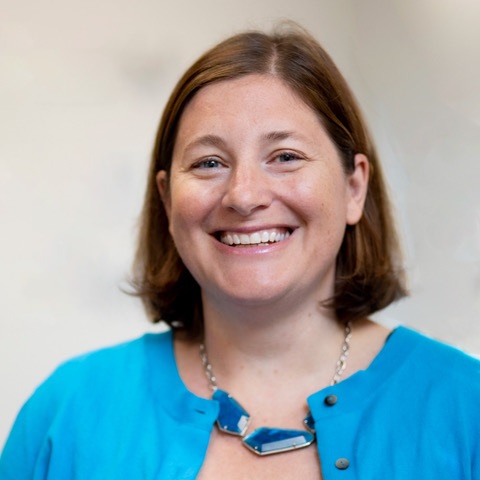
Lisa Briand, Ph. D.
Associate Professor and Director of the Neuroscience Program
Temple University